Digital Systems 8014339733 Designs
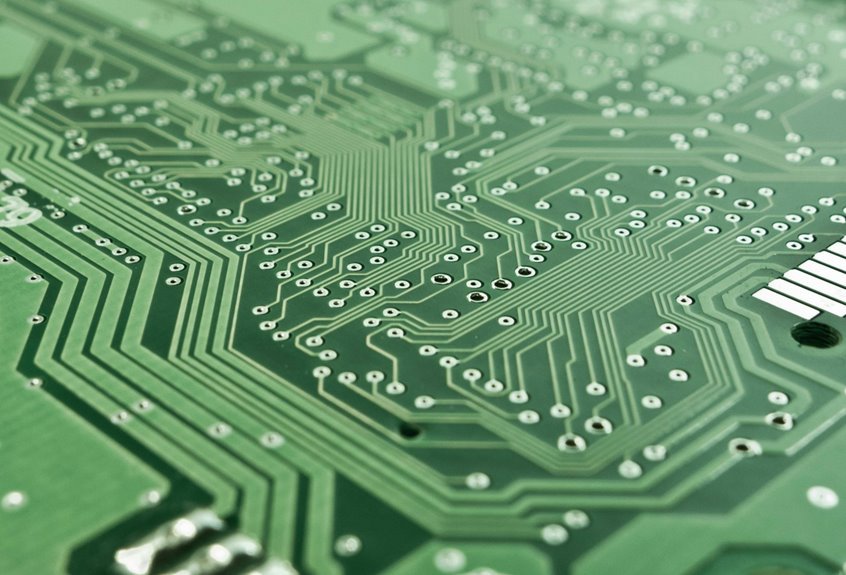
Digital Systems 8014339733 Designs exemplify the integration of advanced technology within modular frameworks. These systems prioritize user interface and operational efficiency, addressing the needs of diverse sectors. Their adaptability facilitates enhanced decision-making and responsiveness. As industries evolve, the role of artificial intelligence and IoT becomes increasingly pivotal. Understanding these dynamics reveals the potential for transformative impacts across various applications. What implications could this have for future technological advancements?
Key Features of Digital Systems 8014339733
Although digital systems can vary widely in application and complexity, they consistently exhibit several key features that define their operation and functionality.
Central to these systems is their user interface, which facilitates interaction between users and the system architecture. This architecture, characterized by modular design and scalability, ensures efficient processing and adaptability, ultimately enhancing user experience and operational freedom in diverse computing environments.
Applications Across Various Industries
Digital systems have found applications across a multitude of industries, leveraging their inherent features to enhance efficiency and functionality.
In healthcare advancements, these systems streamline patient management and data analysis, improving outcomes.
Similarly, in manufacturing efficiency, digital systems optimize production processes through automation and real-time monitoring, thereby reducing waste and increasing output.
Their versatility underscores the transformative potential of digital technology in diverse sectors.
Benefits of Implementing Digital Systems 8014339733
Implementing digital systems offers significant advantages that can markedly improve operational efficiency and decision-making across various sectors.
Enhanced cost efficiency is achieved through streamlined processes, reducing overheads and resource consumption.
Furthermore, these systems optimize user experience by facilitating seamless interactions and personalized services.
Ultimately, the integration of digital solutions empowers organizations to respond swiftly to market demands and enhance overall productivity.
Future Trends in Digital System Designs
As technology continues to evolve, the future of digital system designs is poised to be shaped by advancements in artificial intelligence (AI), machine learning, and the Internet of Things (IoT).
Additionally, the integration of quantum computing will revolutionize processing capabilities, enabling faster data analysis and enhanced decision-making.
These innovations promise to create more adaptable, efficient, and intelligent digital systems that empower users with unprecedented freedom and functionality.
Conclusion
In conclusion, Digital Systems 8014339733 designs represent a significant leap forward in technology, seamlessly bridging user-friendly interfaces with modular adaptability. Their application across diverse industries showcases not only their versatility but also their potential to enhance operational efficiency. As businesses increasingly embrace these innovations, the adage “the proof of the pudding is in the eating” rings true; the tangible benefits realized will ultimately define their success in transforming traditional sectors into agile, interconnected environments.